
Understanding the psychological effects of gambling Insights from ice fishing
The Allure of Gambling and Its Psychological Roots
The psychological effects of gambling can often be traced back to the thrill it provides. Much like the anticipation experienced during ice fishing, where the unknown depth of the ice can hide an exciting catch, gambling provides a rush of adrenaline. The unpredictability inherent in both activities fuels a desire to participate, as players and anglers alike find themselves drawn to the possibility of a big reward. In fact, many people seek out an ice fishing game as a fun way to experience this thrill safely. This shared element of suspense creates a powerful psychological lure that keeps individuals engaged.

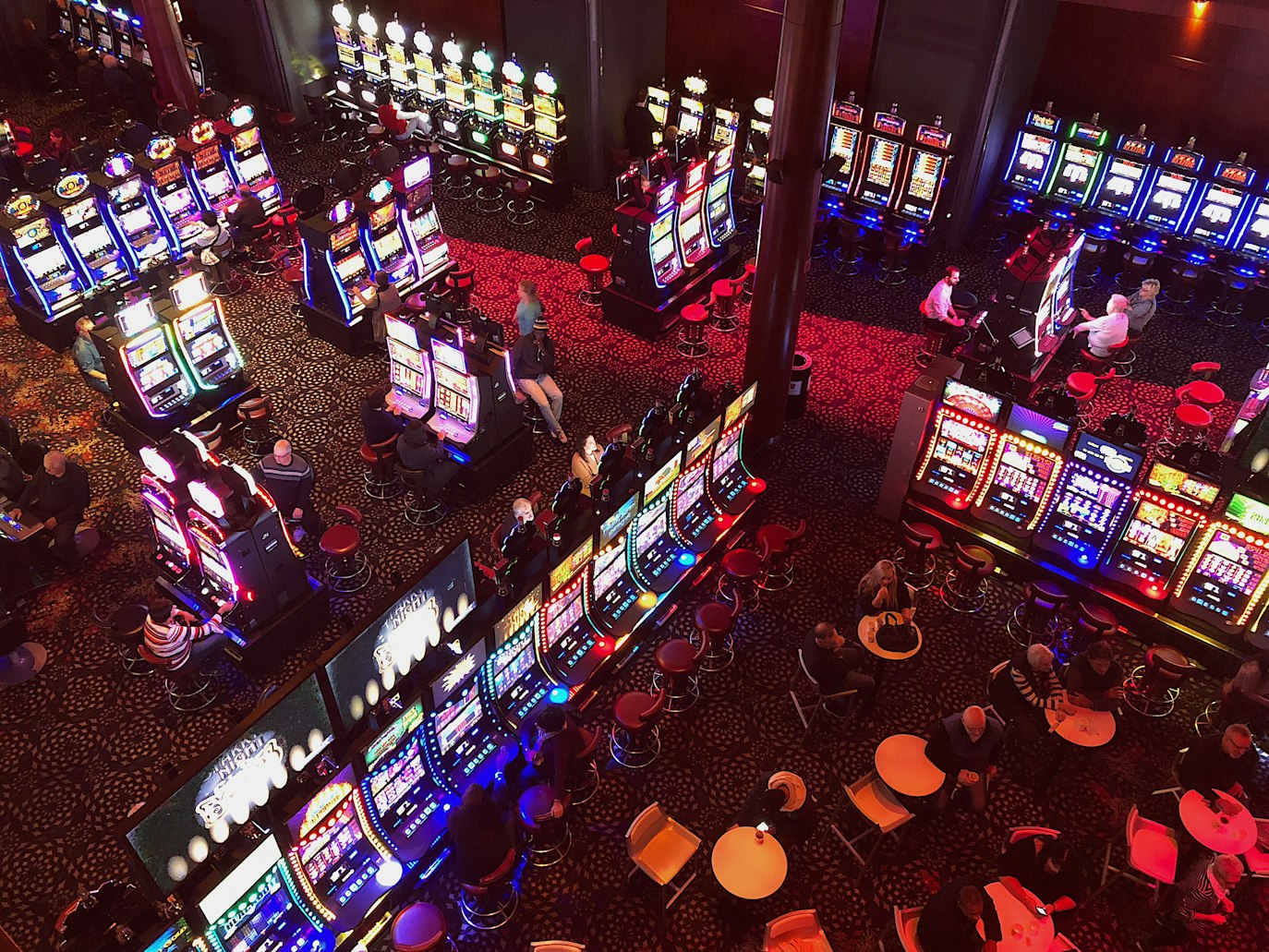
The excitement surrounding gambling is often amplified by the social aspects involved, particularly in casinos. Similar to ice fishing outings where groups come together for camaraderie, gambling can foster social bonds. Players share stories, celebrate wins, and console each other in losses, creating a community feel that enhances the psychological appeal. This social interaction can lead to a phenomenon known as social gambling, where individuals may gamble more due to peer pressure or shared enthusiasm.
However, the psychological effects can be a double-edged sword. While some individuals can enjoy gambling responsibly, others may develop compulsive behaviors. This is akin to an ice fisherman who, despite poor catches, insists on returning to the same spot, convinced that the next attempt will yield a big fish. This mindset can lead to significant emotional distress, financial issues, and interpersonal problems, underscoring the need for awareness and responsible gambling practices.
The Risk of Addiction: A Comparison with Ice Fishing
Addiction in gambling is a serious concern, much like any activity that becomes all-consuming, including ice fishing. The thrill of catching a fish can lead an individual to neglect responsibilities, relationships, and even personal health. Similarly, gambling can morph from a casual hobby into a compulsive behavior where the individual is unable to stop, despite knowing the consequences. This parallels the ice fisherman who chases the thrill of the next catch, often overlooking the costs associated with excessive participation.
The psychological mechanisms behind gambling addiction are complex. For many, the brain’s reward system becomes overly stimulated, akin to the euphoric feeling one gets when reeling in a fish after a long wait. This euphoria can create a cycle where the individual chases that high, leading to further gambling despite increasing losses. Just as an ice fisherman may go out in less-than-ideal conditions for the chance at a big catch, gamblers may ignore the risks and chase their losses, deepening the cycle of addiction.
Understanding these psychological patterns is crucial. Both activities share a common thread of addiction potential, and recognizing the signs early can prevent escalation. Those who find themselves increasingly drawn to gambling or ice fishing should consider reflecting on their motivations. Seeking professional help can provide insights and strategies for managing these compulsions before they spiral out of control.
The Emotional Rollercoaster of Winning and Losing
The emotional highs and lows of gambling bear a striking resemblance to the unpredictable nature of ice fishing. When an angler catches a fish, there’s an exhilarating rush, much like the feeling of winning a hand at poker or hitting the jackpot. This emotional elation can create a sense of achievement and validation, reinforcing the desire to continue participating in both activities. Conversely, the disappointment of a poor fishing trip or a losing bet can lead to feelings of frustration and regret, showcasing the psychological volatility inherent in both gambling and ice fishing.
The concept of loss aversion is particularly relevant here. Research suggests that individuals tend to experience the pain of losing more acutely than the joy of winning. This is mirrored in both contexts; a fisherman who returns home empty-handed may feel a greater sense of defeat than satisfaction from their previous successes. In gambling, players often rationalize their losses, convincing themselves that their next bet will surely be a win, perpetuating a cycle of emotional highs and lows.
Understanding these emotional dynamics can pave the way for healthier behaviors. Engaging in activities like ice fishing or gambling should ideally come with an awareness of their psychological impacts. Participants can benefit from setting limits and recognizing when their emotional responses become disproportionate, ensuring that their engagement remains enjoyable rather than detrimental.
Creating Healthy Boundaries: The Importance of Self-Regulation
Establishing boundaries is crucial for anyone who engages in gambling or ice fishing. Just as anglers set limits on how long they will spend on the ice or how much they will invest in gear, gamblers need to define their limits on time and money. This self-regulation helps to mitigate the psychological risks associated with both activities. By having a clear understanding of their own boundaries, participants can enjoy the thrill without succumbing to the potential for addiction or financial distress.
Implementing strategies such as setting a budget or scheduling specific times for gaming can be beneficial. For example, an ice fisher might decide to only fish on weekends, allowing them to balance their passion with other life responsibilities. Similarly, gamblers can benefit from imposing limits on their playtime and financial expenditures. This practice fosters a healthier relationship with the activity, ensuring it remains a source of enjoyment rather than stress.
Furthermore, utilizing resources for responsible gaming can also play a significant role. Many casinos offer tools for self-assessment and support, similar to communities of ice fishermen who share knowledge and experiences to promote safe fishing practices. By staying informed and proactive, individuals can navigate the psychological landscape of gambling and ice fishing more effectively.
Discovering Fun and Rewards in a Responsible Manner
At Chicken Road, we believe in providing an engaging online gaming experience that promotes responsible gaming practices. Our platform offers a unique chicken-themed game that combines excitement with an accessible approach, making it perfect for both novices and seasoned players. Just as ice fishing brings people together in pursuit of fun and camaraderie, Chicken Road encourages social interaction and community among players.
We understand that the thrill of the game is complemented by the necessity for responsible participation. Our tutorials and resources provide players with essential insights on managing their time and financial investments wisely. This approach echoes the importance of understanding psychological effects and fostering healthy engagement, ensuring that everyone can enjoy the gaming experience without falling into adverse patterns.
Join us today at Chicken Road to discover a world of fun and potential rewards, where your gaming experience is designed with your enjoyment and safety in mind. We celebrate the joy of play while championing responsible practices, allowing everyone to engage in the excitement of gaming while maintaining a balanced approach.